Pigmentation, Sun Exposure, and Melasma Explained
Updated: Aug 4
"Pigmentation Changes: Understanding and Treating Skin Discolouration"
Pigmentation changes in the skin are common and can affect anyone. While some pigmentation is a natural response to sun exposure, other types, like melasma, can be more complex and persistent. Understanding what causes pigmentation, how normal pigmentation differs from conditions like melasma, and what factors influence these changes can help you better care for your skin and make informed decisions about treatment and prevention.
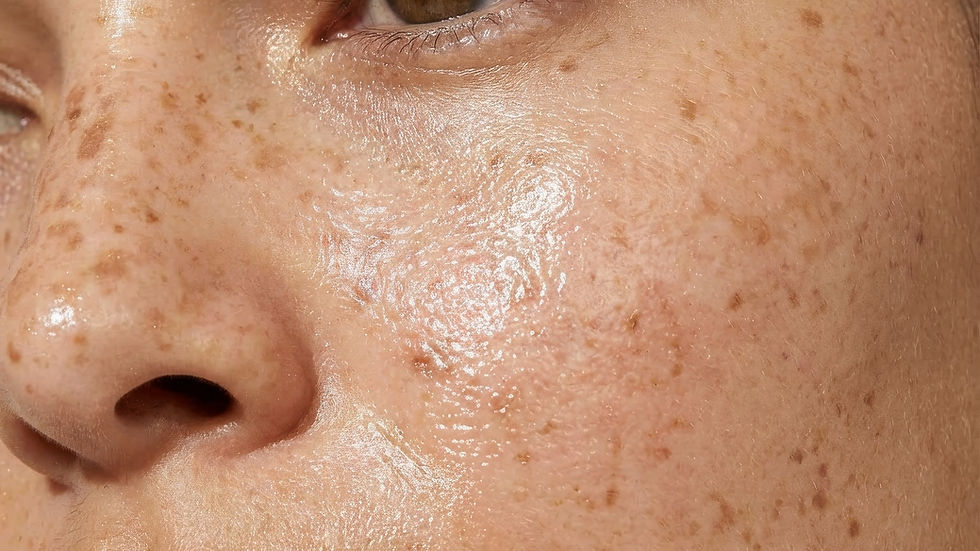
What Is Pigmentation?
Pigmentation refers to the colouring of the skin, hair, and eyes caused primarily by melanin, a natural pigment produced by cells called melanocytes. Melanin protects the skin by absorbing ultraviolet (UV) radiation from the sun, which can damage skin cells and lead to skin cancer. The amount and type of melanin determine skin colour and how it reacts to sun exposure.
Pigmentation changes occur when melanin production increases or becomes uneven. This can result in darker patches or spots on the skin, commonly called hyperpigmentation.
How Sun Exposure Causes Normal Pigmentation
Sun exposure is the most common cause of pigmentation changes. When UV rays hit the skin, melanocytes produce more melanin to protect deeper layers from damage. This process is why skin tans after spending time in the sun.
Key Points About Sun-Induced Pigmentation
Tanning is a natural defence mechanism where melanin darkens the skin.
Sunspots or age spots are small, dark patches caused by prolonged sun exposure over time.
UV rays damage skin cells, triggering melanin production as a protective response.
People with lighter skin tones may burn before tanning, while darker skin tones tan more easily.
Excessive sun exposure without protection increases the risk of uneven pigmentation and skin damage.
Normal pigmentation from the sun usually appears gradually and is more common on areas frequently exposed, such as the face, hands, and arms.
What Is Melasma?
Melasma is a specific type of pigmentation disorder characterised by large, irregular patches of dark skin, often on the face. It is sometimes called the "mask of pregnancy" because it frequently appears during pregnancy, but it can affect anyone.
Causes and Triggers of Melasma
Hormonal changes such as pregnancy, birth control pills, or hormone therapy.
Sun and heat exposure, both of which stimulate melanocytes to produce more melanin and can worsen existing pigmentation.
Genetic predisposition, as melasma tends to run in families.
Certain medications and skin care products can also trigger or worsen melasma.
Unlike normal sun-induced pigmentation, melasma patches are usually symmetrical and appear on the cheeks, forehead, nose, and upper lip. The condition is more common in women and people with darker skin tones.
Differences Between Normal Pigmentation and Melasma
Feature Sun-Induced Pigmentation Melasma
Cause Primarily UV exposure Hormonal influences combined with UV exposure (and sometimes heat)
Appearance Freckles, sun spots, or
general tanning Larger, irregular brown or grey-brown patches
Location Any sun-exposed area Most commonly the cheeks, forehead, upper lip, and chin
Duration Often fades with reduced sun Usually persistent and prone to exposure and skin renewal recurring without ongoing management
Who is affected? Can affect all skin types More common in women and people with medium to
darker skin tones, especially during pregnancy or when
using hormonal contraception
Understanding these differences helps in choosing the right approach for prevention and treatment.
How to Protect Your Skin from Pigmentation
Preventing pigmentation starts with protecting your skin from UV damage. Here are practical steps:
Use broad-spectrum sunscreen with at least SPF 30 daily.
Wear protective clothing, hats, and sunglasses when outdoors.
Avoid peak sun hours between 10 a.m. and 4 p.m.
Reapply sunscreen every two hours, especially after swimming or sweating.
Avoid tanning beds, which emit harmful UV rays.
For those prone to melasma, sun protection is even more critical to prevent worsening of the condition.
Treatment Options for Pigmentation and Melasma
Treating pigmentation depends on the cause and severity. Some common options include:
Topical creams containing ingredients like hydroquinone, azelaic acid, kojic acid, or vitamin C to lighten dark spots.
Chemical peels to remove the outer pigmented skin layers.
Laser therapy targeting melanin to reduce pigmentation. (Not available for all skin types)
Microneedling combined with topical treatments to improve skin texture and tone.
Hormonal management for melasma, such as adjusting birth control methods under medical advice.
It is important to consult a skin specialist before starting any treatment, especially for melasma, as improper care can worsen pigmentation.
Lifestyle Tips to Support Healthy Skin Pigmentation
Balanced Diet
Maintaining a balanced diet rich in antioxidants is essential. Include plenty of fruits, vegetables, and nuts in your meals. These foods help combat oxidative stress and support skin health.
Hydration
Staying hydrated is vital for keeping your skin healthy. Drink plenty of water throughout the day to maintain moisture levels.
Gentle Care
Avoid picking or scratching pigmented areas to prevent inflammation. Use gentle skin care products to avoid irritation.
Stress Management
Managing stress is crucial, as it can affect hormone levels and skin health. Consider practices such as yoga, meditation, or regular exercise to help reduce stress.
When to See a Professional
Impact on Quality of Life
If melasma or pigmentation is affecting your self-esteem or quality of life, a consultation with a skin specialist can help. They can offer treatments that may improve the appearance of your skin and boost your confidence.
Desire for Effective Treatment Options
If you are looking for effective treatment options beyond what is available over the counter, a skin specialist can provide access to prescription treatments, laser therapy, or other advanced procedures that may yield better results.
Conclusion
Seeing a skin specialist for melasma and pigmentation is crucial when symptoms persist, change, or impact your daily life. Early intervention can lead to better outcomes and help you achieve clearer, healthier skin.
Here at Skin Principles, we help treat both sun-induced pigmentation and melasma. Book your consultation to discuss your skin and treatment options.

Comments